Get Informed on vital roof care to Ensure Your Homes Safety and structural strength.
The necessity of keeping up a safe and durable roof is paramount. Homeowners often overlook necessary roof care until serious damage occurs. Routine checks often reveal underlying problems, while knowledge of common repairs can save money on major repairs. Understanding materials and the role of gutters also plays a crucial part in how long the roof lasts. As homeowners manage these details, finding the best professional is just as important. What measures should be taken to secure their investment?
Importance of Regular Roof Inspections
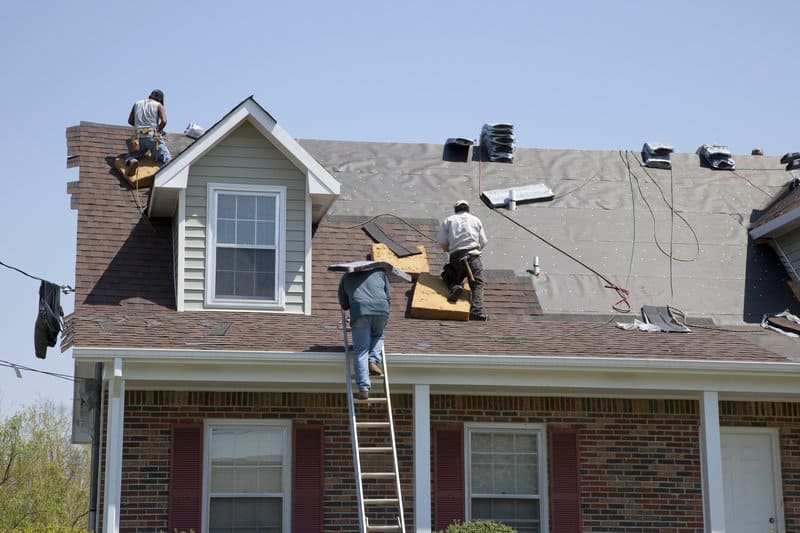
Although many homeowners may overlook it, the necessity of routine roof checks is extremely high. These inspections are essential for maintaining the integrity of a home. Over time, roofs can suffer from wear and tear due to various environmental factors, including harsh climate, collected refuse, and old components. Periodic assessments uncover potential issues before they turn into major issues, such as major failure. Moreover, timely roof upkeep can prolong the existence of the roofing system, saving homeowners substantial repair costs in the long run. Inspections should ideally be conducted at least once a year or after severe weather events. Engaging professional roofing services provides a detailed inspection, as trained experts can spot initial evidence of decay that an amateur would overlook. Ultimately, prioritizing regular roof inspections helps create a stable and secure home, protecting both the property and its occupants.
Common Roofing Repairs and Their Benefits
Routine roof checks not only uncover problems but also allow for crucial maintenance when damage is noticed. Standard maintenance covers stopping water flow, swapping out broken tiles, and removing blockage from drainage. Addressing leaks promptly can prevent water damage and mold growth, preserving the building and inside spaces. Mending worn shingles boosts the roof's structural soundness and makes the home look better, securing its endurance over time. In addition, clearing gutters prevents water backup, which can lead to costly repairs and problems with the foundation.
This upkeep substantially aids to prolonging the roof's lifespan and preserving energy savings. Those who prioritize routine care and prompt fixes can prevent larger, more expensive replacements down the line. Finally, addressing common roofing issues secures the home's safety but also offers homeowners tranquility, knowing that their property is well-protected from the weather.
How to Replace a Roof
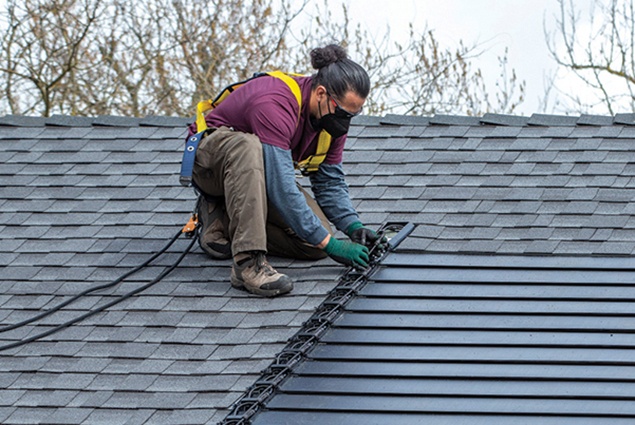
Replacing a roof includes several vital stages to secure a resilient and successful fitting. Initially, a thorough inspection of the existing roof is conducted to determine its current shape and decide on the required maintenance or replacement. Once the assessment is complete, homeowners must select a qualified roofing contractor who can provide an appropriate plan and completion date for the job.
Next, the old roofing components are taken off, such as shingles, flashing and the protective underlayer. This step is essential for identifying any underlying damage to the decking. After the removal, the underlying decking receives necessary mending, guaranteeing a strong foundation for the new covering.
Once the deck is secure, new roofing components are installed, and then proper flashing is fitted and venting mechanisms. Lastly, a comprehensive clearing is executed, ensuring the area is immaculate and guaranteeing the new roof provides durable defense.
A Guide to Roofing Materials and Longevity
Knowing about roofing components is vital for property owners wanting to make smart choices about their roofs. Each type of roofing material possesses a distinct longevity and care specifications, affecting future expenses and resilience. Through reviewing standard choices, how long they last, and the required maintenance, homeowners can plan their roofing projects better.
Common Roofing Material Types
Numerous roofing material types are available, all providing distinct advantages and different longevities. Asphalt roofing materials are widely used due to their affordability and simple installation process, making them a common choice for residential homes. Metal roofs, known for its durability and low maintenance, comes in various styles, such as standing seam and ribbed panels. Tile roofing, usually composed of clay or concrete material, offers a unique look and resists severe weather. Slate roofing, despite the higher price, is appreciated for its durability and inherent aesthetic appeal. Lastly, synthetic materials, such as rubber or plastic, offer eco-friendly options that mimic traditional materials. Every type meets particular requirements, allowing homeowners to choose what suits their house best.
How Long Roofing Options Last
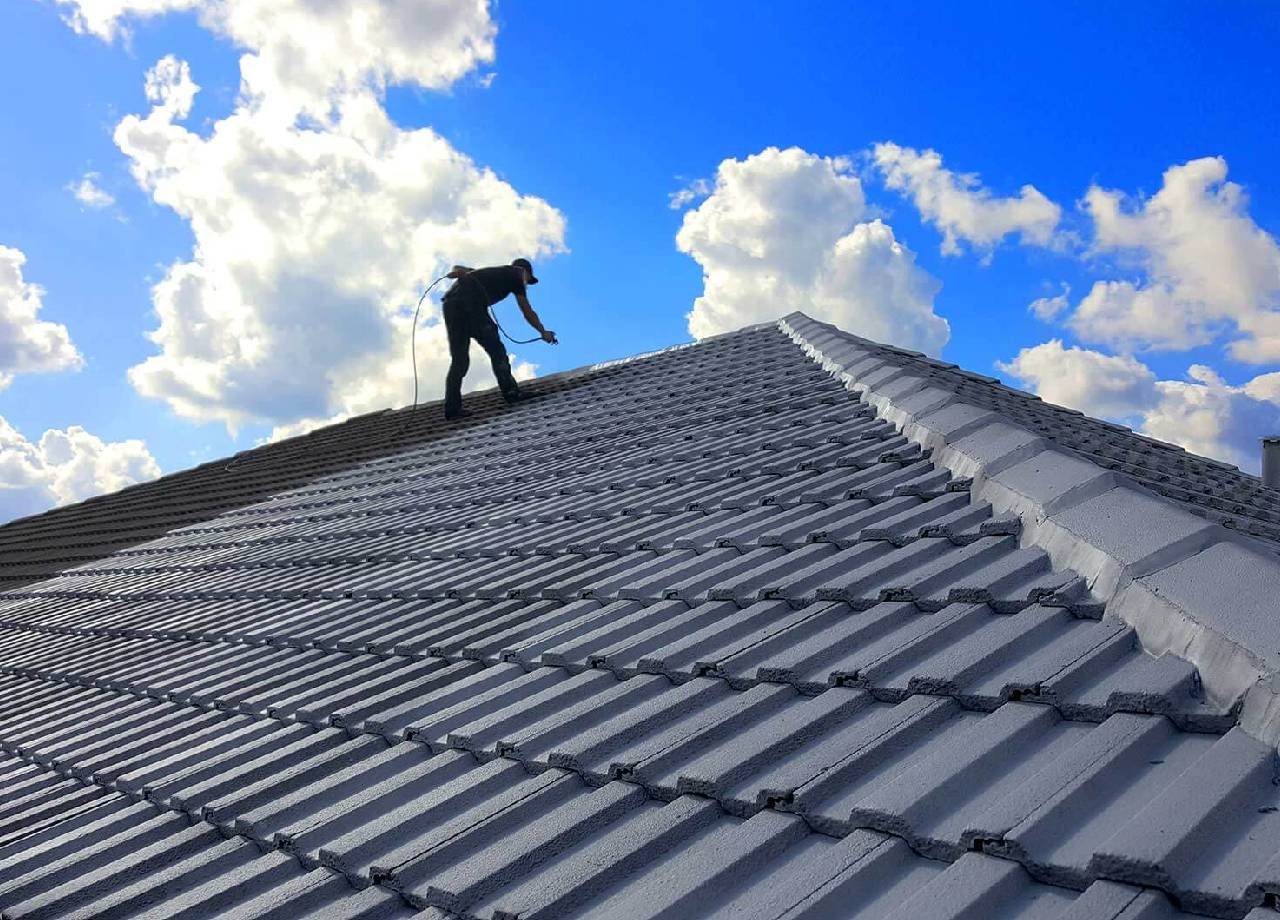
Selecting roofing materials means taking into account how they look and what they cost but also how long they will last. The lifespan varies among different roofing options, which affects the long-term investment of homeowners. Shingles made of asphalt generally last around 15 to 30 years, depending on quality and installation. Metal roofing, known for its durability, can endure for 40 to 70 years when installed properly. Clay and concrete tiles boast impressive longevity, sometimes enduring for 50+ years. Shingles made of wood, while aesthetically appealing, typically endure for 20 to 25 years, influenced by climate and maintenance. Lastly, man-made materials differ significantly, with certain choices engineered to endure up to 50 years. Knowing these durations assists property owners in deciding wisely about what they spend on their roof.
Maintenance for Longevity
Consistent care is vital for getting the most life out of the roofing materials. Property owners need to regularly check their roofing for deterioration, such as missing shingles, cracks, or the presence of moss. Addressing these issues promptly can prevent more extensive damage. Different roofing materials have varying lifespans; for instance, shingles made of asphalt generally last 15-30 years, while metal roofs can endure 40-70 years with adequate upkeep. Routine maintenance of the gutter system is essential to make certain water drains freely, lessening the risk of leaks and structural damage. In addition, employing an expert for yearly check-ups can aid in spotting potential problems at an early stage - Massapequa Roofing Company. By understanding the specific maintenance needs of their roofing components, homeowners can substantially improve their roof's durability and guarantee long-term protection for their homes
The Role of Gutters in Roof Maintenance
Gutters play an critical function in roof maintenance by directing rainwater away from the structure. Well-maintained gutters stop water from pooling on the roof, which can lead to leaks, mold growth, and damage to the building's integrity. They direct runoff downwards and away from the foundation, preserving the integrity of the home.
Consistent monitoring and cleaning of gutters are imperative, as debris can block the passage and cause clogs. When gutters are ignored, they can overflow, resulting in moisture entry into walls and ceilings, ultimately resulting in costly repairs.
In addition, well-maintained gutters improve the performance of a roofing system, extending its service life. Homeowners should make a priority of gutter maintenance as part of their comprehensive roof maintenance plan, ensuring that these vital parts operate effectively. By following this practice, they contribute to the durability and safety of their homes, demonstrating the absolute necessity of gutters in roof maintenance.
Choosing a Trustworthy Roofing Contractor
How can homeowners ensure they choose a trustworthy roofing contractor? First, it is crucial to perform detailed investigation. Homeowners should seek recommendations from friends, family, and online reviews to find well-regarded contractors in their area. Next, verifying credentials is important; a reliable contractor should possess valid permits, insurance, and certifications.
Homeowners should also solicit itemized proposals from multiple contractors, evaluating prices and services offered. Maintaining open dialogue is important, as a reliable contractor will be responsive and open about their processes.
Furthermore, reviewing past projects and customer testimonials can give an idea into the contractor's skill level and analysis reliability. Lastly, it is advisable to choose a contractor that provides guarantees on the materials and the workmanship, ensuring long-term support and protection for the homeowner’s investment. Following these steps, homeowners can greatly increase their chances of choosing a reliable roofing contractor.
Common Questions and Answers
What is the Recommended Frequency for a Roof Inspection?
It is recommended to schedule a roof inspection a minimum of two times annually, preferably during the spring and autumn months. Additionally, inspections should occur after extreme weather to check for possible injury and maintain continuous roof integrity.
What Are the Signs of Roof Damage to Look For?
Signs of roof damage include shingles that are absent, leaks, bowing, dark spots on ceilings, granule loss in gutters, and noticeable organic growth. Addressing these problems quickly can avoid greater deterioration and costly repairs.
Is it Possible to Do My Own Roof Repairs?
Certainly, homeowners may undertake roof repairs themselves if they have the required tools and expertise. But, exercise caution, as improper repairs may lead to additional harm or dangerous situations, meaning expert help may be needed down the line.
In What Way Do Weather Patterns Influence Roofing Materials?
Weather conditions greatly impact roofing materials, causing wear, deterioration, or damage. Massapequa Roofing Company. High heat, dampness, and ultraviolet light can compromise the material's strength, leading to leaks or structural issues. Regular maintenance is essential to reduce these consequences and increase its longevity
What Is the Average Cost of a Roof Replacement?
The average cost of a roof replacement generally costs $5,000 to $15,000, based on variables like roof size, material type, and geographical location, which affects the total cost and installation standard.